New Recording 29 (human translation) Speaker 1: So, you did enter in Chiapas ?
Speaker 2: I came in through Chiapas, by way of El Salvador, Honduras... El Salvador, Guatemala. The place is called La Concordia, or something like that. Chiapas to Tuxtla, and from Tuxtla to Veracruz.
Speaker 1: Then you entered Nicaragua, Honduras, then Guatemala? Then Chiapas, then Veracruz? On these trips you need the hand of God and luck.
Speaker 2 At first, I was held for like nine days. On the second day after I was kidnapped, my family sent the money so they would let me go. But they still kept me for nine days for no reason. I would drink dirty water, because that’s what they give you over there. I was out in the wilderness.
Speaker 1 And how many days were you sequestered? 9 days, oh no!
Did you stay in a house ? or where, the weeds/mountain ?
You were with a group ? How did they take you, the coyotes (the mafia)?
Speaker 2 They grabbed me on the bus—on the bus I was riding. They kidnapped every single person on the bus. They didn’t care at all; they took the whole bus and kept us for several days. They left me stranded on the port city, around one in the morning.
Speaker 1 So they took all of you from a bus ? Then after 9 days what happened?
Speaker 2 They let me get a phone number, because they had taken my phone away. He just said, "Pick a number of someone you can call, and watch what you do.” So, I mean, from one in the morning, I went around trying to find a way or find someone who would let me make a call; but nobody would let me make a call. They would back away from me, probably thinking I was going to rob them, or something. They’d say things like, “I don't have minutes on my phone,” or “My phone is dead.” It went on from around one in the morning to around ten a.m.
Speaker 1 Then who helped you ?
Speaker 2 Then, thankfully, a person came up and asked me, “Are you from Honduras?” I said, "No, I’m from Nicaragua." And he... he let me make a call.
Speaker 1 That’s good (that someone helped you) And then where did you go ? Mexico City
Speaker 2 Then, I traveled to Ciudad Valles, and from Ciudad Valles to San Fernando.
Speaker 1 Ciudad Valle, San Fernando ? And then what did they do to you when you got to these locations?
Speaker 2 And there, in San Fernando, those guys—the Zetas— caught me, my brother. They took me and asked where I was going, who was taking me there. I told them I was traveling alone. Then, they told me I had to pay them. They had to be the ones to get me across, like it or not. But I had to pay them, or else they’d cut off one of my fingers.
Speaker 1 How much did you have to pay ?
Speaker 2 They charged me 2,800 dollars, and they said it was because I was very close already. And, in that place, even the police hand people over to them. Because a friend was coming behind me, and Immigration caught her, and they handed her over to the cartel.
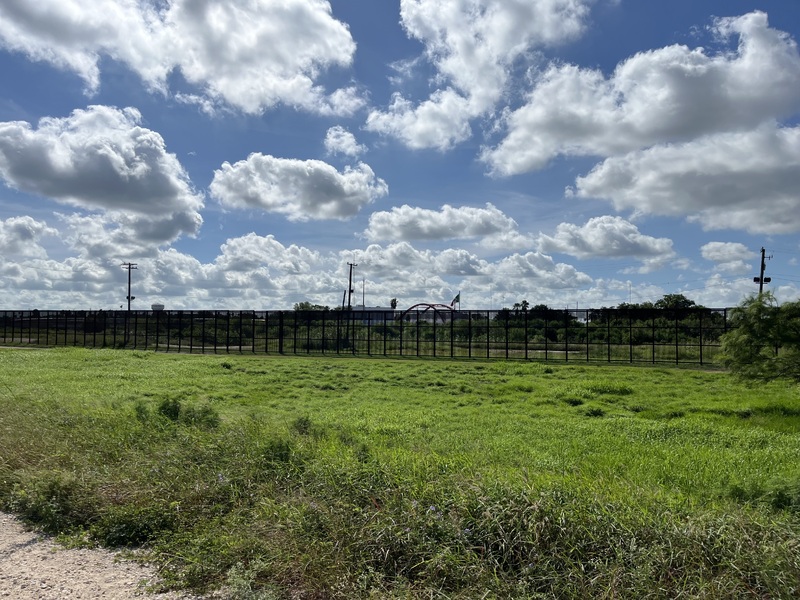
Speaker 1 Then you crossed in Reynosa?
Speaker 2 I crossed through Reynosa. I just turned myself in (to US Border Patrol)
Speaker 1 Look, the main thing is that you are here now on this side, another new life ok? Forget what happened to you
Look we are here (at the airport), you are going to pass by those doors , go the left, you are going to see the signs for United Airlines….show them your information you showed me…they will print out two tickets.
They will give you two tickets, one to board the plane here and the other one to board in Houston ok, then you will get to Mississippi.
Speaker 2 Are they going to give me two tickets at the counter? So, once I’m over there, do I just go look for the plane? Thank you, I appreciate it. Alright, thank you.
Speaker 1 No, no, thank you very much, good luck , yes, yes