
Racial Zoning in Falls Church
The new constitution’s political effects played out in 1914, when the Falls Church Council nearly managed to pass its first zoning ordinance, barring Black land purchases in the town’s Third Ward. The proposal served more than real estate purposes: It was designed to cap Black votes. In early 1915, the council tried again and succeeded. Falls Church’s drive to wall off Black residents kept step with state and national trends. From 1880 to 1940, U.S. residential racial segregation more than doubled. In Virginia, Richmond blazed the trail, passing an ordinance in 1910 outlining “White” and “colored” geographic districts. The state government soon followed, with a 1912 law authorizing such “segregation districts” on the grounds that “the preservation of the public morals, public health, and public order in the cities and towns of this commonwealth is endangered by the residence of white and colored people in close proximity to one another.”
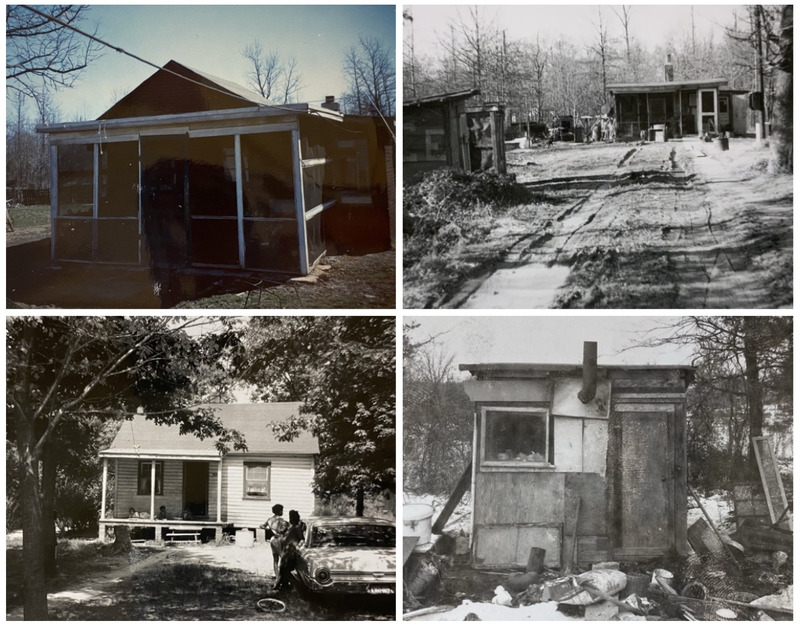
Fairfax County Health Department photos of Gum Springs dwellings intended to document “blight” unintentionally reveal Black householders’ determination to persist in the face of public disinvestment in their communities.
In Northern Virginia, Falls Church and nearby Arlington County were among the early adopters of local zoning powers. A new ambitious generation of Black residents, uncowed by racial violence and unwilling to accept a position of permanent subjugation, unsettled these traditions; events that transpired early in the century in Falls Church, leading to the local establishment of the NAACP and the rise of the Henderson family as leading activists, provide an example, as described in the exhibit Frederick ("Freddie") Foote, Jr. and Tinner Hill.
The geographic battle in Falls Church was fundamentally an assertion of White political power. The disfranchisement there was mirrored across the state and country, in Richmond, Arlington, Alexandria, and other localities in a merger of anti-Black ideology, judicial power, and capitalist desires.
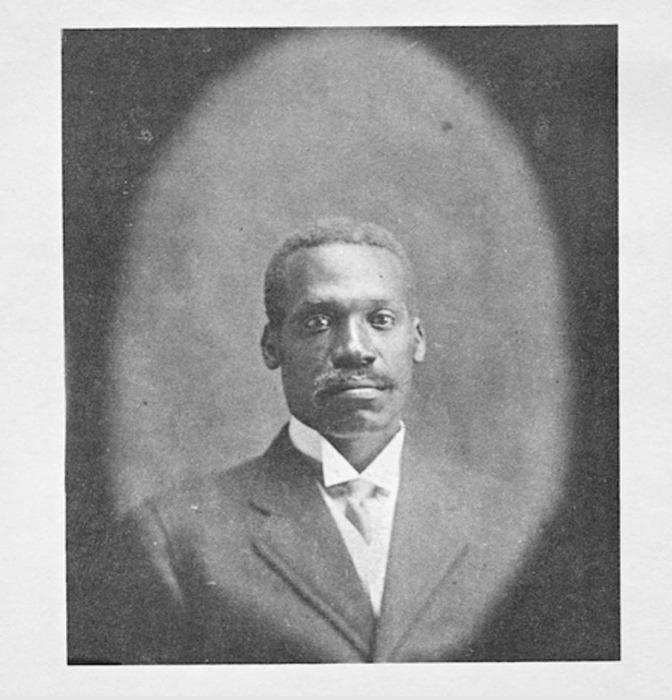
Joseph B. Tinner, first president of the Falls Church NAACP.
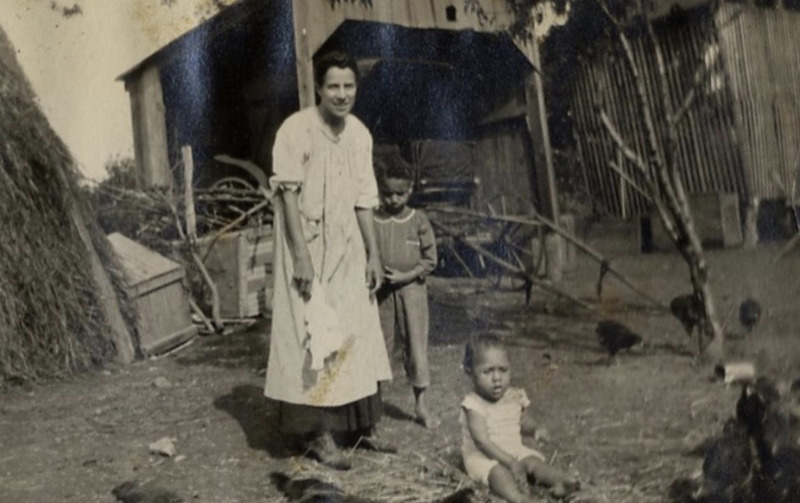
1918 photograph of Mary Ellen Henderson and her children: James Henderson (seated) and Edwin (“E.B.”) Henderson.