
Cannot Live in Close Contact Without Injury
The Politics of Racial Geographies
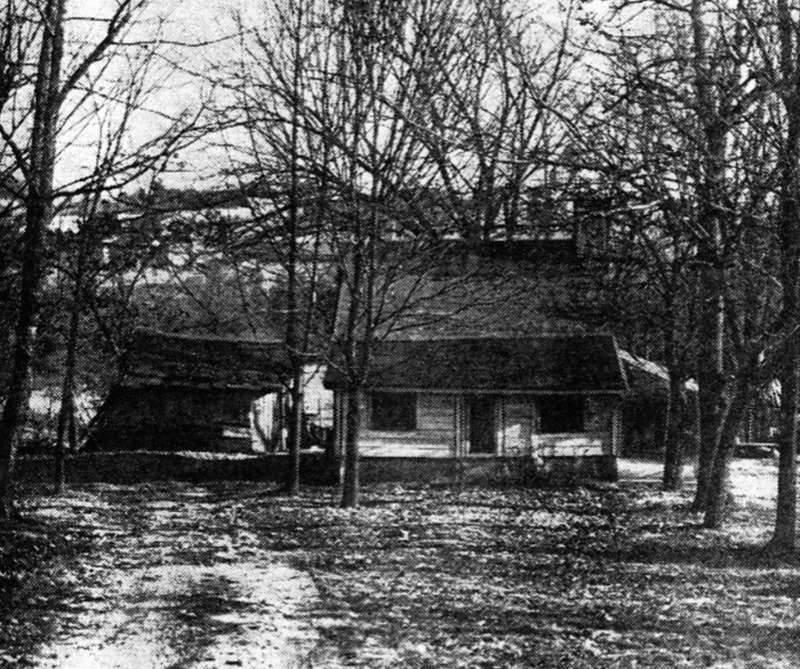
Unidentified newspaper photograph of the tarpaper-covered log house of Frederick Foote, Sr., built in 1864 on the 28 acres he purchased while still enslaved. Foote bought two more acres each in 1866 and 1884, and another nine before his death. On this site today sit Eden Center, Koons Ford and the Seven Corners Shopping Center.
The spatial and political choices of nineteenth century county officials and residents were informed by fear of Black political power and social equality, an intense response to African Americans’ gains in property ownership and quest for full citizenship. As happened across the South, their hard-won electoral gains only served to ignite White insecurities about political power.
The 1880 election of local shoemaker and merchant Frederick (“Freddie”) Foote, Jr., as the first—and, for decades, only—Black member of the Falls Church town council raised local alarms about Black electoral power. Foote’s political rise was brief and troubled, as it threatened the county’s racial hierarchy. As the exhibit, Frederick ("Freddie") Foote, Jr. and Tinner Hill describes, a string of racial redistricting efforts would leave permanent marks on not just town boundaries and demographics but on legal and zoning history; as well as spur the growth of Tinner Hill as a center for Black activism.